The Case for Each One
Start with the obvious and work your way toward the honest answer. Lampedusa has roughly fifteen kilometres of coastline, but only a handful of beaches worth the argument — and arguing, it turns out, is half the pleasure.
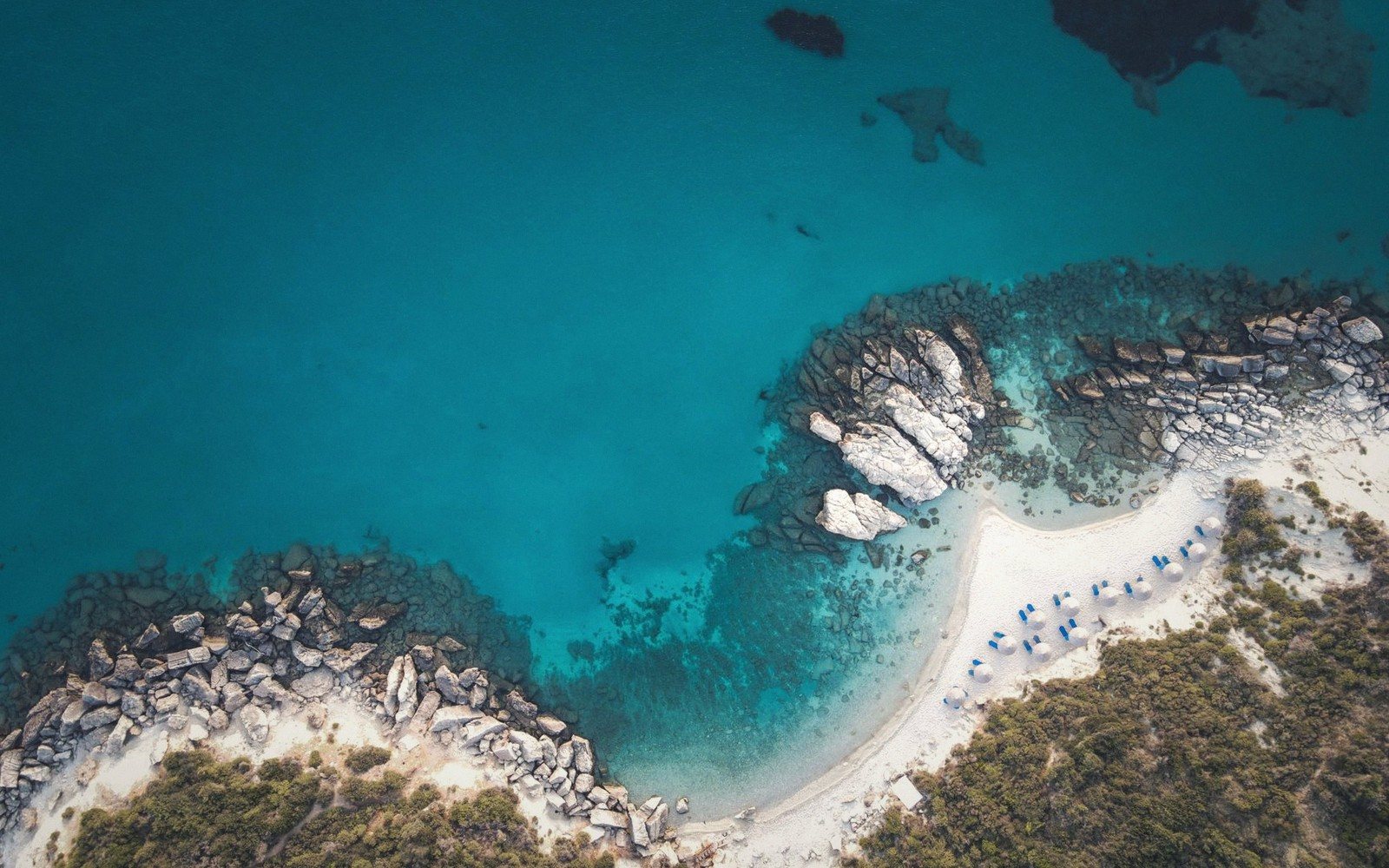
Spiaggia dei Conigli sits at the top of every list and earns the position. The lagoon between the main beach and the small islet reads, in certain lights, as something digitally enhanced — a turquoise so saturated it seems like a filter has been applied to the actual sea. It hasn't. The colour is real, a function of depth, sand type and the angle of an African sun. Loggerhead turtles nest here in summer, which means the beach is managed with genuine care: sections are roped off during laying and hatching season, numbers are controlled at peak hours, and the experience is less crowded than the reputation suggests if you arrive before nine or after five. Getting down is steep; getting back up is steeper. Bring shoes.
Cala Pulcino is the argument against Conigli — quieter, less regulated, harder to find. A rocky descent through scrubland leads to a narrow inlet with water ranging from pale green to deep blue depending on how the light falls. It rewards the twenty-minute walk precisely because tour boats don't anchor here in numbers. This is where the second-time visitor goes, slightly smug about it.
Guitgia is the town beach, and there is no shame in that. A long crescent of white sand within easy walking distance of the port, it fills by noon in August but moves fast — people come, swim, leave. The water is clear enough that you can see the bottom well beyond where you'd expect to. Sunbeds, bars, cold drinks: Guitgia is Lampedusa's municipal gesture toward comfort, and it does the job.
Cala Croce, just east of Guitgia, is the pick for anyone who wants sand plus shade — a smaller bay with a rock shelf on one side that holds shadow into the afternoon. Snorkelling is good here; the rock formations drop off in interesting ways and posidonia seagrass meadows keep the water oxygen-rich and clear.
Cala Galera is mostly rock, and enthusiasts will tell you that's the point. Wide flat shelves of limestone descend to deep water, and entry is easy enough that it functions as one of Lampedusa's better dive-entry points. No sand to speak of, which makes it peaceful — families with small children tend to route elsewhere.
Cala Madonna sits on the island's southern coast, close to Cala Croce, and on calm mornings in late June the water here is startlingly still. A small shrine gives the cove its name. Access is by boat or a moderately serious walk; both are worth it.
Cala Francese, finally, is the reef-dweller's reward. Shallow water over white sand, with rock gardens just offshore that hold octopus, bream and the occasional moray. The beach itself is modest — this is really a snorkelling destination with sand attached. Pack fins.
The Honest Ranking
Any ranking depends on what you want. If you're chasing that particular shade of Mediterranean impossible — the lagoon colour that makes you show strangers your phone screen — then Rabbit Beach is the answer and no one will argue you out of it. If you want to be alone with the sea, Cala Pulcino in June rewards the walk entirely. If you have children, Guitgia's infrastructure keeps things functional. If you snorkel, Cala Francese and Cala Croce split the vote.
What the ferry argument always resolves to — eventually, after the third digestivo — is that the beach itself matters less than the timing. August crowds are real. June and early September are not just quieter; they're genuinely better: the water is warm enough, the light runs long into the evening, and the sense that you have found something rather than queued for it returns. That feeling is not a ranking. But it's the whole point.