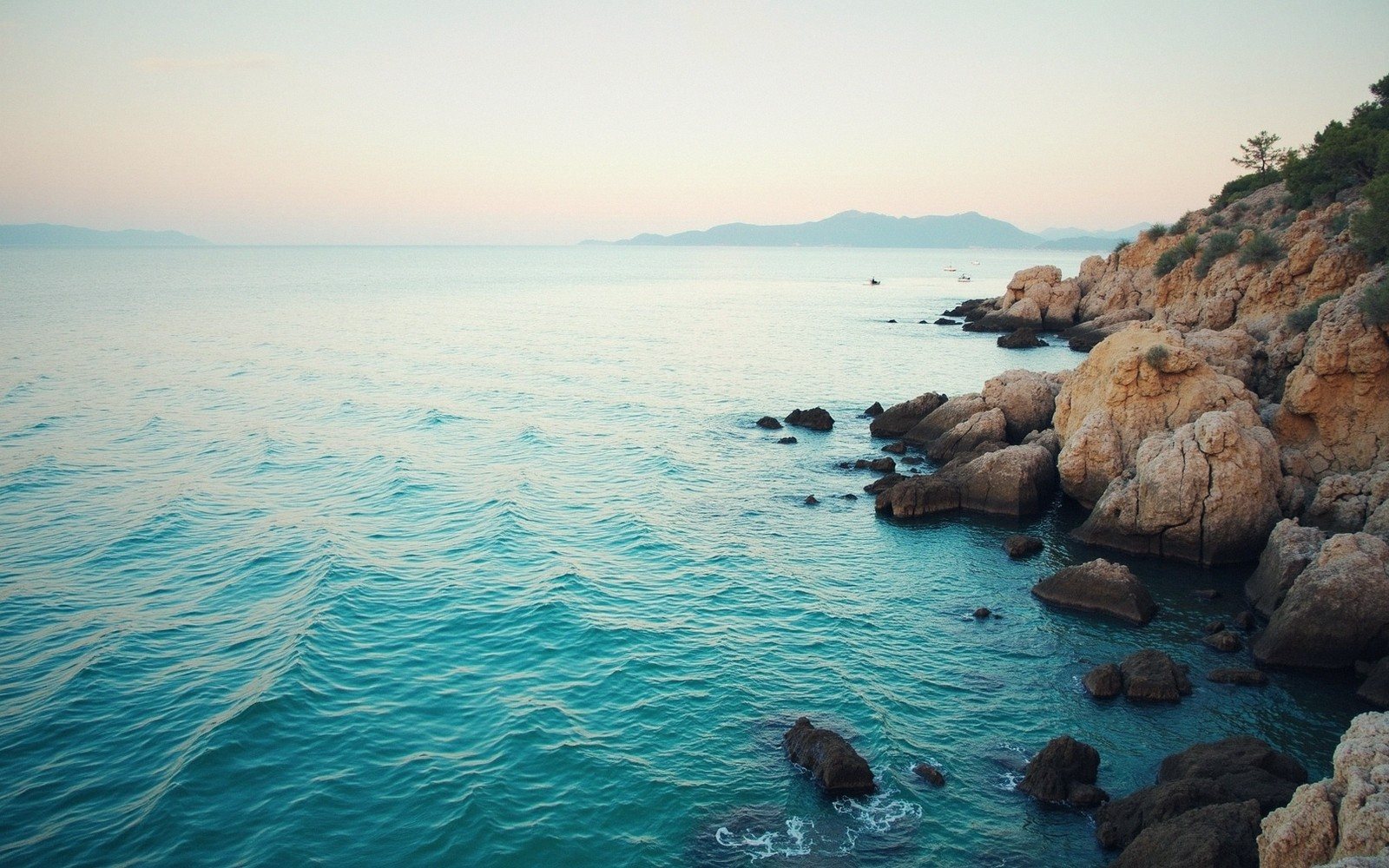
The Wind Has Names for a Reason
Down here, the weather isn't something that happens to you from above. It arrives from a direction, and that direction tells you everything. The people who have fished these waters for generations didn't name their winds poetically — they named them practically, because your life depended on reading the air before you read the water.
The scirocco comes from the south-southeast, born over the Sahara, carrying fine red dust and a heat that feels personal. When it blows, the sea on Lampedusa's southern coast goes the colour of milky glass and lifts into long, restless swells. Coves that face south — Cala Guitgia among them — lose their appeal quickly. But the scirocco's direction is also its gift: the northern and northwestern coasts fall into shelter. The water there can stay flat while everything facing Africa churns.
The tramontana is the northern wind, colder and sharper, more common in the shoulder months. It does the opposite: the south-facing coves go calm, the northern approaches kick up. Learning which coast a beach faces is the single most useful piece of information a swimmer can carry.
The maestrale, from the northwest, is the wind that empties beaches fastest — strong, sustained, not interested in your plans. On the open Pelagie, there's very little geography to block it.
Morning Gloss, Afternoon Chop
Even on a windless day, the sea changes. The thermal cycle of a hot Mediterranean summer means that land heats faster than water through the morning, drawing a light sea breeze inland by early afternoon. This is why the same cove that looked like hammered pewter at eight in the morning is ruffled and unrewarding by two.
Go early. This is less a suggestion than a law. The window between first light and midday is when the sea earns its reputation — flat, transparent, the kind of water that makes you understand why people planned their lives around living near it. By mid-afternoon, even on a fair day, expect a chop. Experienced swimmers and boatmen know this and schedule accordingly.
Cloud can be a clue, too. A bank building to the south in the late morning, on a still day, often means the scirocco is gathering its case. Alto-cumulus in long parallel rows — sometimes called a mare a pecorelle, a sheepy sea — is a traditional local sign of incoming instability within a day or two.
Timing the Season, Not Just the Day
The broader calendar matters as much as the morning forecast. June and early July offer the most reliable flat seas, the clearest water, and the least competition for the best spots. By August, the sea is warmer and the islands fuller; afternoon winds are more frequent, and the prime coves become genuinely crowded before ten in the morning.
September can be extraordinary — heat still present, crowds thinning, the sea at its warmest from three months of accumulation. But it also brings the first scirocco events of autumn, which can arrive without much warning and last three or four days.
The honest answer to "when is the sea perfect?" is almost always "early June or mid-September, before noon, facing away from whatever the wind is doing." It isn't complicated. It just requires paying attention — to the direction of the air on your face when you wake up, to the colour of the horizon, to the small signs the sea has been posting all along.