The Choice Nobody Talks About Honestly
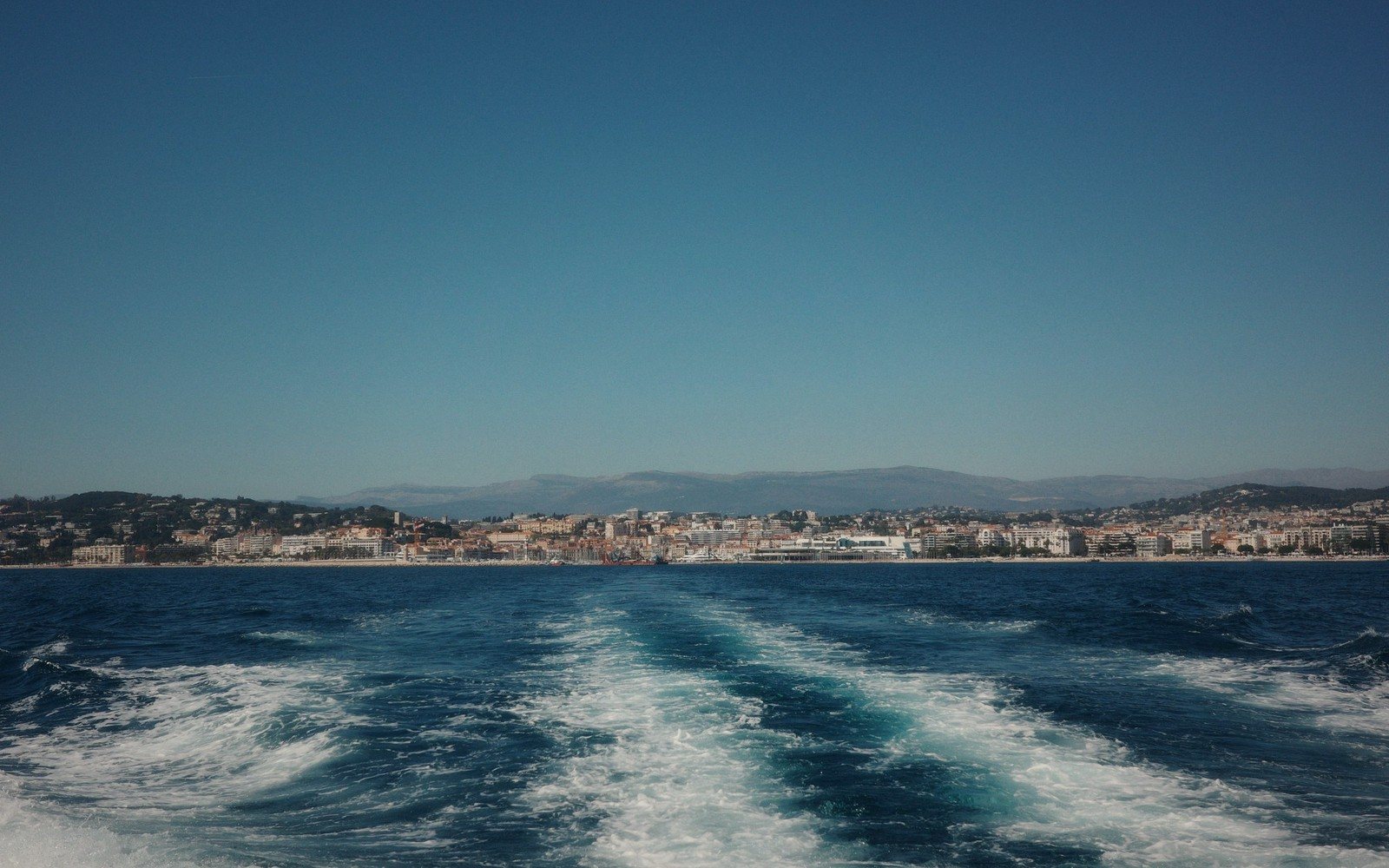
Every booking site presents the hydrofoil as the upgrade and the ferry as the consolation prize. Faster is better; ergo, the hydrofoil wins. This logic collapses the moment you're standing at the stern of the overnight ferry from Porto Empedocle, watching the coast of Agrigento dissolve into the dark, with a plastic cup of wine and nowhere to be until morning.
The Tirrenia and Siremar services that link Porto Empedocle — a working port south of Agrigento, not a pretty place — to Lampedusa take roughly eight hours overnight. The hydrofoil from the same port can do the trip in around three and a half, but it runs seasonally, sits you inside a rattling cabin, and deposits you blinking at the pier at mid-afternoon, slightly carsick and no different from the person who boarded. The ferry puts you to bed. You wake up at sea.
Why the Crossing Matters
A slow boat enforces what the islands themselves will insist upon: you cannot rush this. The Pelagie sit further south than Tunis. They are not a weekend sprint from Rome; they are a genuine elsewhere, and the crossing is where the elsewhere begins. By the time you smell Lampedusa's port at six in the morning — diesel, salt, something faintly fishy and very right — your body has already crossed a threshold your mind hasn't caught up with yet.
This is the argument for the ferry that nobody puts in a travel search engine: it recalibrates you. Eight hours at sea, even spent mostly asleep in a narrow cabin bunk, strips away the mainland tempo. You arrive slower than you left. On an island where the correct pace is a bicycle, a caper in the sun, and a granita morning before any decision worth making, this is not a trivial advantage.
Practicalities, because they matter: book cabin berths early, especially in July and August when the boats fill with Sicilian families and returning islanders. A shared four-berth interior cabin is cheap and perfectly adequate; you will sleep through most of it. Deck space is fine in calm weather, genuinely uncomfortable if the wind picks up south of Sicily. The Strait of Sicily has moods.
Planes, Then Boats — or Boats All the Way
Flying is faster still — there are direct flights from Palermo and Catania to Lampedusa's small airport, a runway so close to the water that the approach alone is worth the ticket. If your time is genuinely short, fly. But consider the middle path: fly out, ferry back. The return crossing in daylight, watching the island flatten and then vanish behind you while Linosa's green volcanic cone rises briefly on the horizon, is one of the better things you can do on a Tuesday in late June.
For those with more time and a taste for seamless slowness, it is possible to travel entirely by sea: train to Agrigento, taxi or bus to Porto Empedocle, ferry to Lampedusa. The island-hopping route that takes in the Pelagie and the Aegadian Islands on a two-week circuit makes the most sense done this way — the ferry rhythm becomes the holiday's own rhythm, not an interruption to it.
One honest note on the hydrofoil: in shoulder season — May, early June, late September — it often doesn't run at all, or runs to a limited timetable. The ferry, in contrast, operates year-round with greater reliability. If you are planning a June trip specifically to beat the August crowds (and you should), confirm hydrofoil schedules before building your itinerary around them. The ferry will not let you down in the same way.
The sea between Sicily and the Pelagie is not a problem to be solved. It is somewhere between 200 and 230 kilometres of open Mediterranean, and it deserves a little respect. Board the overnight boat, find your bunk, and let the crossing do its work.