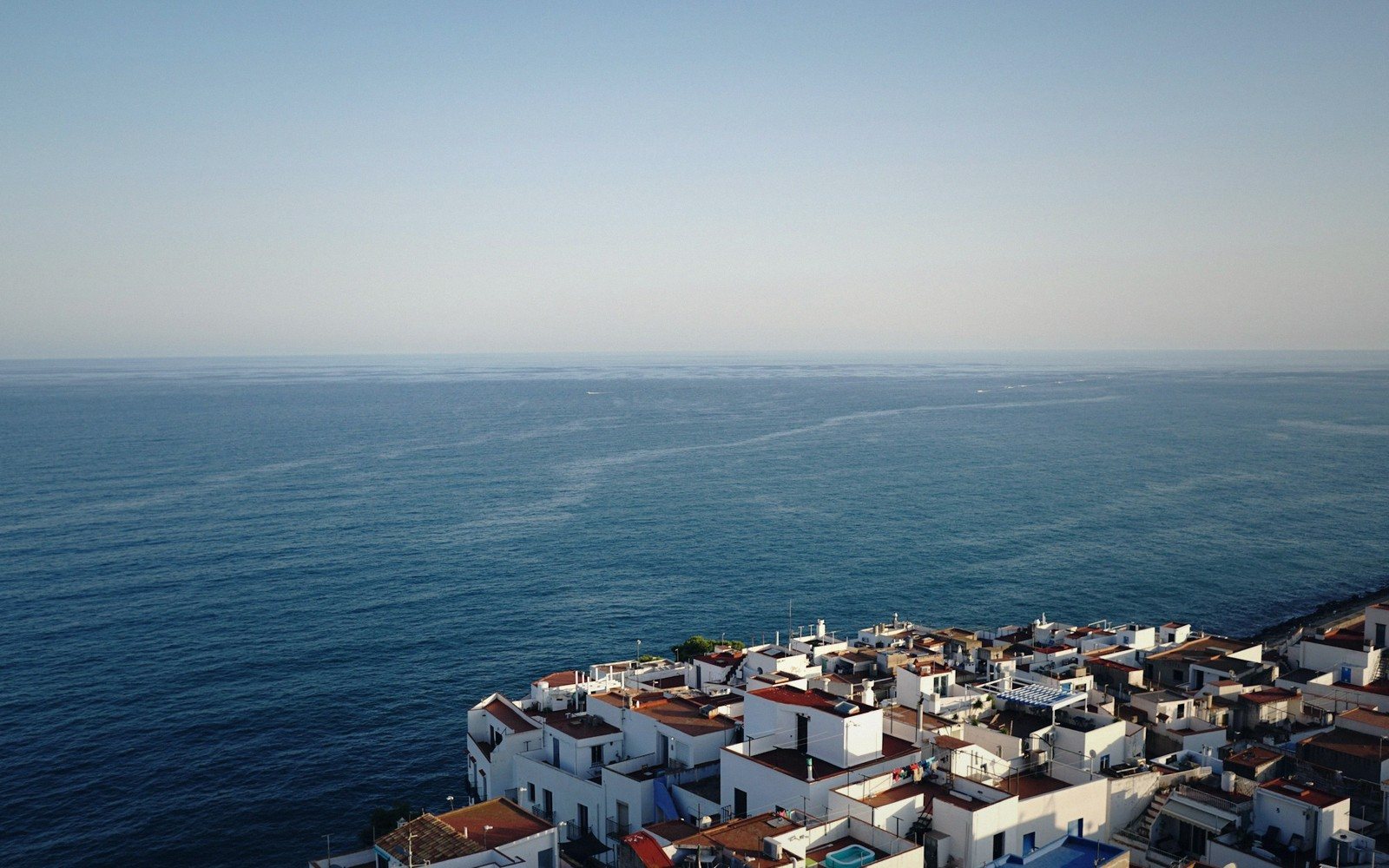
Start in Palermo, Sleep on the Boat
The route begins not with a beach but with a departure hall. Fly into Palermo — it has the most useful onward connections — and give yourself an afternoon in the city before you board the overnight ferry from Porto Empedocle, the small port town on Sicily's southern coast reached by bus or hire car in about ninety minutes. Siremar and Liberty Lines both serve the Pelagie route; the overnight crossing takes roughly eight hours and arrives in Lampedusa in the early morning. Book a cabin, not just a deck seat. You will sleep better than you expect, and you'll arrive rested enough to find a coffee before the sun is fully up.
Lampedusa gets the first five nights. That is not excessive. The beaches of Lampedusa reward patience — the best ones require timing, light onshore winds and, ideally, a friend with a small motorboat — and the island repays slow exploration. Hire a scooter, not a car. The roads are short, the terrain open, and parking near the better coves is a fiction. Eat along the port each evening; the fried fish comes directly from what arrived that afternoon, and the couscous here carries its North African inheritance without apology. You are, geographically, closer to Tunisia than to Rome.
Linosa, Then Back Through Favignana
On day six, take the inter-island ferry to Linosa. This is the leg most travellers skip, and it is the leg most worth keeping. The crossing is short — roughly an hour — and Linosa is genuinely different: smaller, darker, built on a dead volcano, its coves edged in black lava rather than white limestone. There are no rental scooters available in the same abundance as Lampedusa, and the single main road loops the island in an easy walk. Two nights is the right measure. Swim in the morning, read in the shade at noon, eat whatever the one decent restaurant has decided to cook. The quiet is not a lack of something; it is the thing itself.
From Linosa, return to Lampedusa to catch the twice-weekly ferry northwest to Porto Empedocle, then transfer onward — by ferry or hydrofoil — to Favignana, the largest of the Egadi Islands off Sicily's western tip. This junction is where the planning matters most. Check the ferry calendar well in advance, because the Pelagie-to-Egadi transition is not a single ticket: it requires at least one night back on the Sicilian mainland, or careful timing through Trapani, where the Egadi ferries depart. Build in a buffer. A missed connection here costs a day, sometimes two.
Favignana earns three nights easily. The quarried sandstone gives the island its particular golden architecture; the water in the old tuna-processing lagoons is improbably clear; and the island is flat enough that the bicycle hire near the port is genuinely the right call, not just a picturesque one. The ex-stabilimento Florio — the vast nineteenth-century tuna works — stands in the port town as a kind of industrial monument to what the island once was. You can visit it, then cycle to a cove and not think about tuna at all. Both are correct uses of the afternoon.
Marettimo and the Ferry Home
Save the last two nights for Marettimo, the westernmost of the Egadi and the quietest. Hydrofoils run from Favignana several times daily in high season; the crossing takes thirty-five minutes. There are no cars on Marettimo worth speaking of, the paths into the hills require actual walking boots if you intend to use them seriously, and the water off the western rocks is the clearest in the archipelago — which is already saying something in these seas. Eat simply. Sleep early. This is where you let the fortnight settle.
The return is straightforward: hydrofoil back to Trapani, train to Palermo, fly home. The whole route — Lampedusa, Linosa, Favignana, Marettimo — covers an unlikely amount of the western Mediterranean's best water without once feeling rushed, provided you protect the inter-island ferry days as travel days rather than lost days. The crossing is the point, not the gap between points.
One last note on timing: plan this for June, not August. The ferries run, the beaches are swimmable, and the islands still belong largely to the people who live on them. August is its own experience. June is better.