The island that rewards slowness
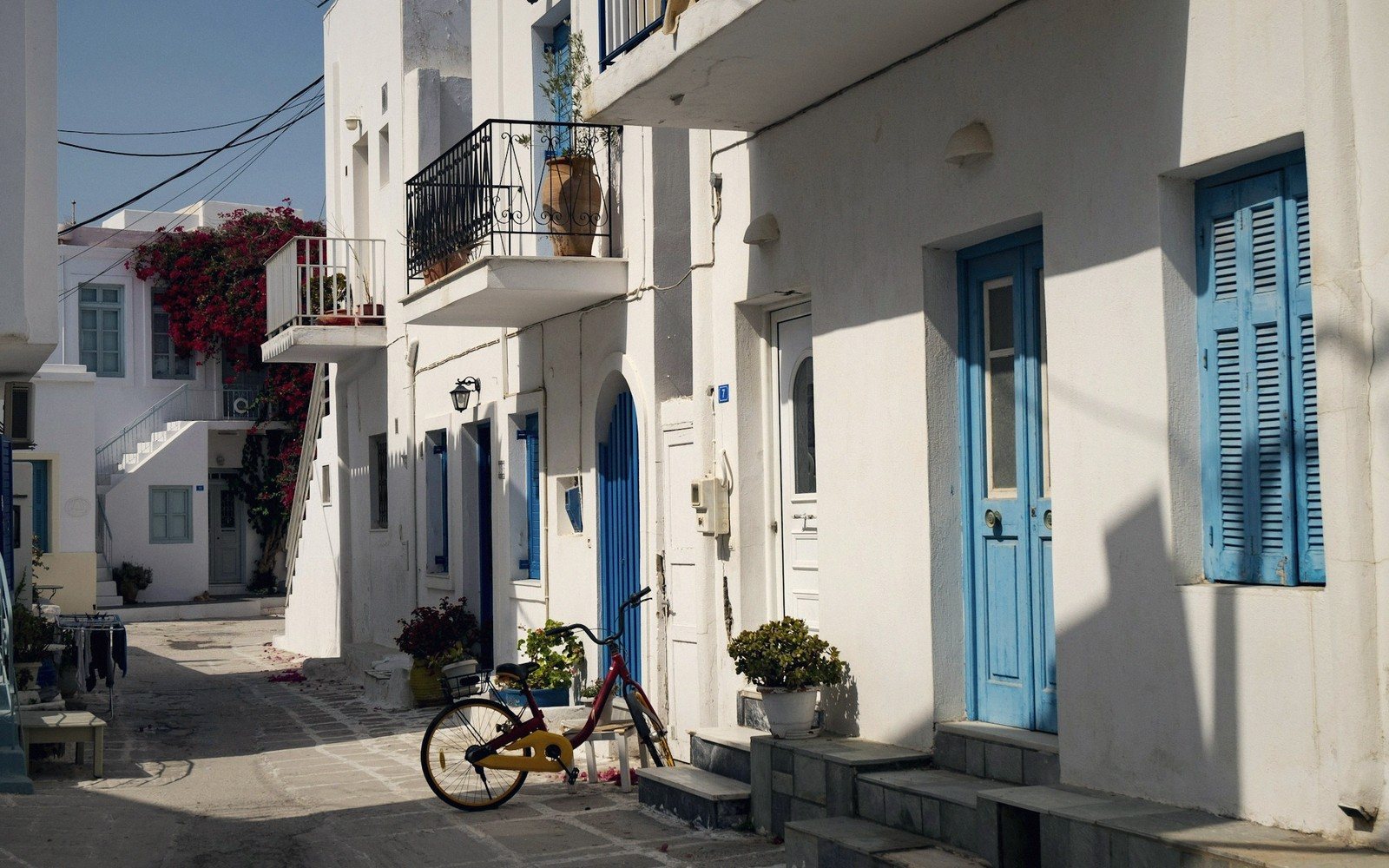
Favignana is flat enough to cross by bicycle and small enough to feel, by early afternoon, like yours. That combination — rare in the Mediterranean — is the whole argument for coming. Rent a bike at the port the moment you step off the hydrofoil from Trapani, before the day has a chance to organise itself around someone else's itinerary.
The quarries come first, or they should. The golden limestone that built much of western Sicily — tufo giallo — was cut from Favignana's interior for centuries, leaving behind a series of open pits that have since flooded or bloomed into improbable gardens. The most visited sit near the centre of the island: walls of warm ochre stone rising ten metres above still green water, figs and capers pushing through the cracks. You can swim in some of them. The light in the afternoon, bouncing off that stone, is almost aggressively beautiful.
Eat somewhere simple in town before the lunch hour tightens — the island's kitchens lean hard on the tuna that once made Favignana the wealthiest fishing port in Sicily. Tonno in agrodolce, sweet-sour with vinegar and onions; bottarga grated over pasta; a plate of pane cunzato with whatever is good that morning. The cooking here belongs to the same North African–Sicilian tradition that shaped the whole archipelago, a confluence of spice routes and salt routes and centuries of traffic across narrow water.
After lunch, the Ex Stabilimento Florio — the old tuna-processing plant on the waterfront — is worth an hour of serious attention. The Florio family industrialised the mattanza, the ritual bluefin tuna hunt, in the nineteenth century, and this building is where the fish were butchered, canned, and shipped across Europe. It is now a museum, and a very good one: the scale of the machinery, the cold tile rooms, the photographs of the hunt in its final decades all sit with you. The mattanza ended on Favignana in 2007, the last of a practice that had defined the island for five hundred years.
The afternoon calls for the sea. Cala Rossa on the northeastern coast is the classic stop — water the colour of a swimming pool advertisement, the quarry rock descending straight into it. Arrive by three, stay until the light goes gold.
Ride back along the southern road as the sun drops. Return the bike. Find a table at the port with a view of the boats coming in, order a glass of something cold, and understand that the whole day — the quarry, the museum, the swim, the bicycle — cost you almost nothing and gave you nearly everything.