An island built against the elements
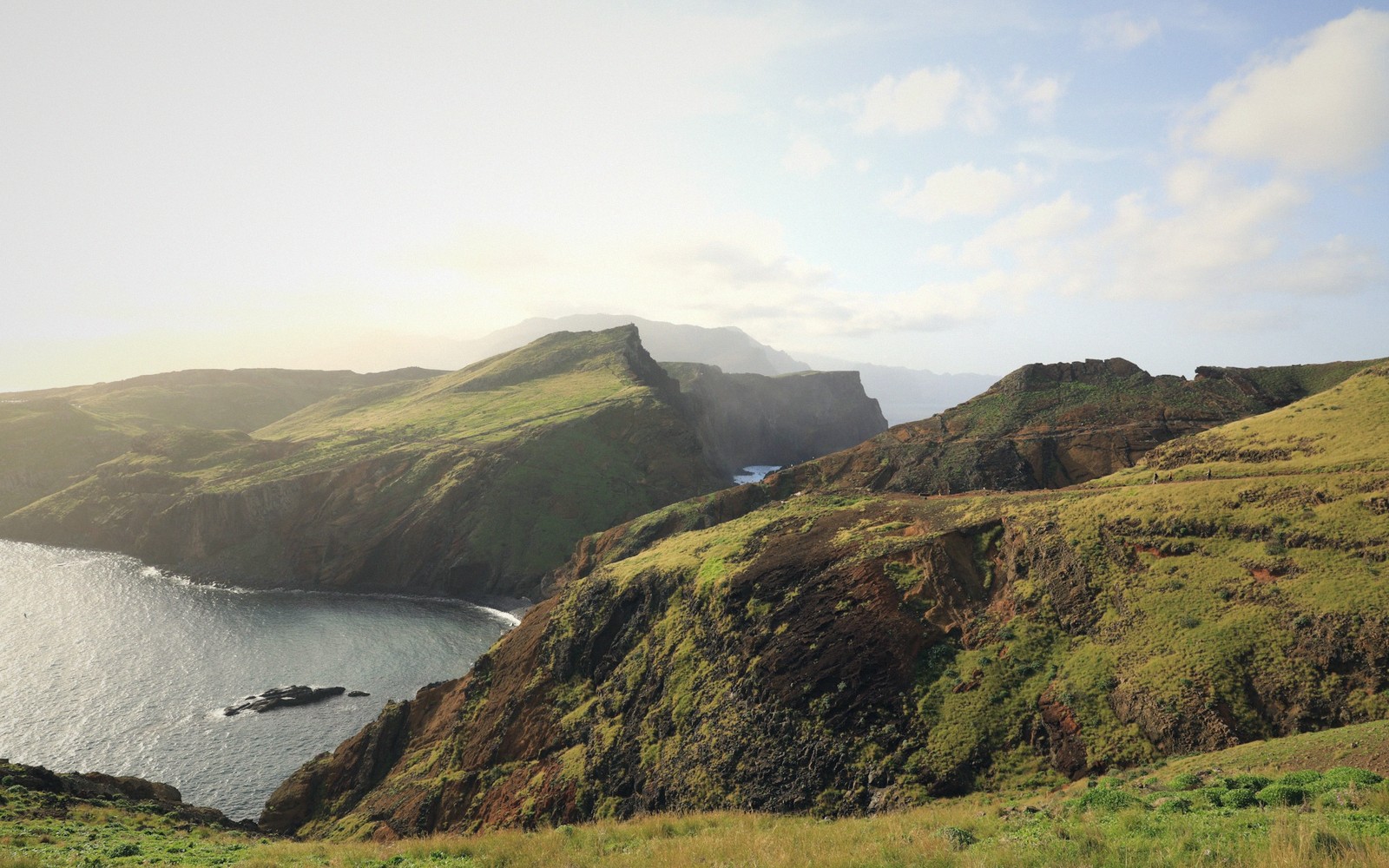
Pantelleria sits closer to the Tunisian coast than to Sicily — just seventy kilometres from Cap Bon, roughly twice that from Trapani — and the geography is not subtle. The island is volcanic, dark-rocked and wind-scoured, its interior rising to the crater lake of Specchio di Venere, Venus's Mirror, where warm mineral water pools in a caldera open to the sky. The stone is black basalt; the villages are low and flat-roofed; and the dammuso — the traditional thick-walled cubic dwelling — crouches as if braced for the Scirocco it knows is coming.
Wind shapes everything here. It shapes the zabbara gardens, vines sit in sunken hollows to escape the relentless westerlies, while circular volcanic-stone walls shelter single citrus trees. Those vines produce Zibibbo — the Muscat of Alexandria — grown trained low to the ground in the alberello pantesco method, a UNESCO-recognised technique specific to this island. The result is Passito di Pantelleria, a golden dessert wine cut through with apricot and something floral and almost African.
The capers are equally defining. Pantelleria's capperi — salted, not pickled — are considered the finest in Italy, grown on terraces where the lava soil and salt air concentrate everything. Eat them folded into pasta, draped over roasted fish, or simply rinsed and eaten with bread and oil.
Come in June, before the midsummer flights from Milan fill the dammusi with design-press pilgrims. The island is extraordinary in August too — but in early summer it still belongs, just barely, to itself.