The Programme Matters More Than the Projector
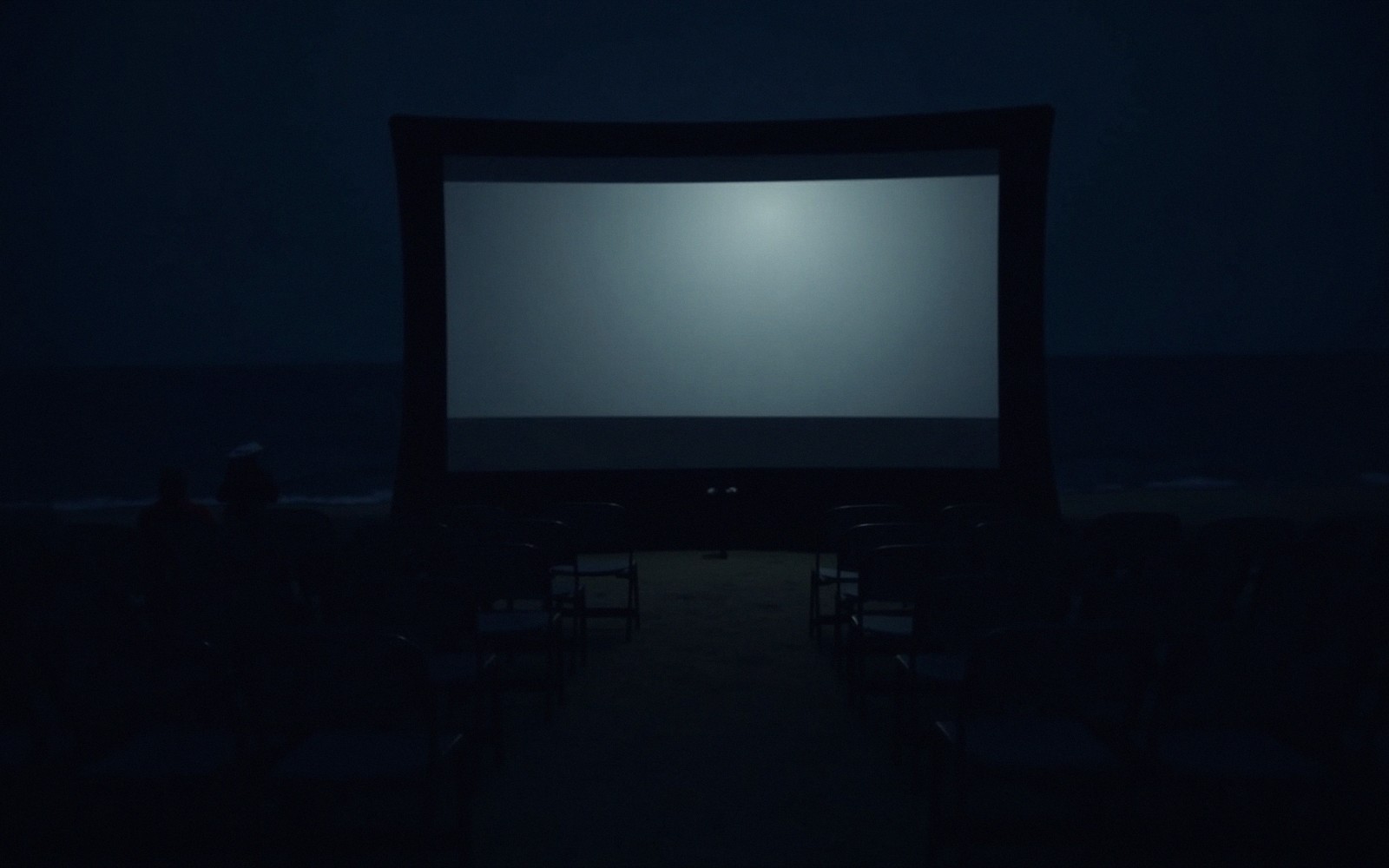
Outdoor cinema on the southern islands is not a curated experience. A white sheet strung between two poles, a speaker that crackles when the wind picks up, forty plastic chairs and the sound of the port behind you — this is the format, and the format shapes what works. Epic films expand into the open air: Cinema Paradiso in a Sicilian piazza is almost unbearably right, the nostalgia doubling back on itself when the audience is itself sitting outdoors at dusk. Visconti's The Leopard — all golden Sicilian interiors and slow, aristocratic decay — gains a strange melancholy when watched against the actual landscape it mourned. If a festival screener puts it on a harbour wall, stay.
Comedies travel well, too, particularly the Italian commedia all'italiana of the 1960s, where the timing is broad enough to survive a rogue Vespa passing behind the screen. Dino Risi, Pietro Germi, the early Fellini — films that rewarded a relaxed crowd and an hour of warm air before the title card. Amarcord was made for summer nights. So was Divorce Italian Style.
What doesn't work: anything that demands total darkness and controlled sound. Psychological horror, quiet chamber dramas, anything with significant subtext carried in silence. The sea doesn't care for silence. A wave will arrive at exactly the wrong moment, and a gust will take the dialogue with it.
The films that truly reward the outdoor screen are the ones that already feel larger than a room — landscapes, processions, crowds, the kind of Felliniesque spectacle that was always a little operatic. They meet the night air as equals.
The history of how these screenings took root across the Mediterranean, from postwar projectors to rooftop terraces, is longer and stranger than most people expect. The point, now as then, is not the film alone — it is what the film becomes when you add sky.